
There are properties that just seem to hold their appearance. They’re in your market. Same weather. Same foot traffic. Same exposure. But they consistently look clear, bright and maintained.
It’s usually not because they’re cleaned more often. And it’s rarely because nothing is happening to them. It’s because a few things are working quietly in the background.
The Conditions Are Still the Same
Spring doesn’t reduce exposure. If anything, it increases it. Spring means more daylight and more foot traffic. It also brings more irrigation cycles and greater visibility during tours and daily use.
The difference is not the environment. It’s how the property is set up to respond to it. In other words, spring doesn’t make maintenance easier. It makes consistency more visible.
What Consistently Clean Properties Have in Place
When a property holds its appearance well, a few patterns usually show up:
- Cleaning is scheduled before issues become visible
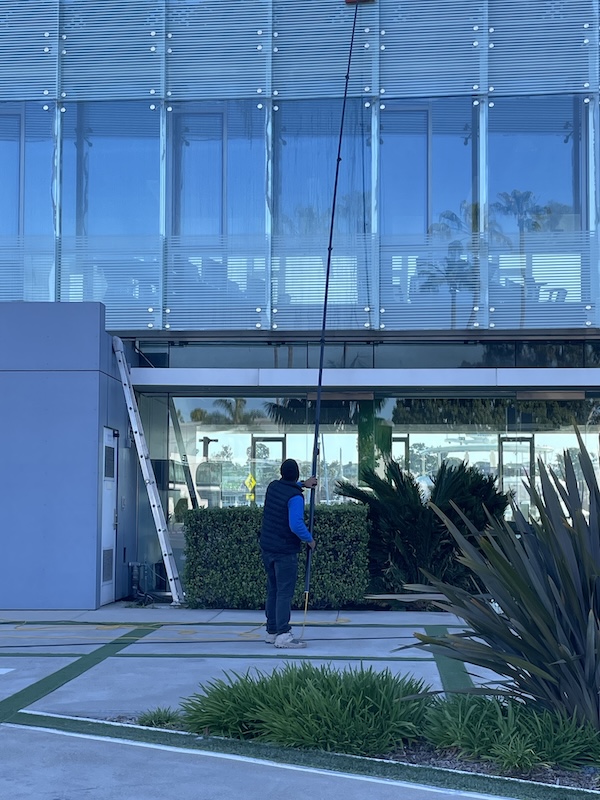
- First-floor glass is maintained with methods that reduce residue
- High-exposure areas are treated as routine, not occasional
- Service cadence matches how the property is actually used
None of this is dramatic. That’s the point.
We see this most clearly on properties that have already made the shift from reactive to consistent maintenance. In one recent project, a quarterly commercial window cleaning <commercial window cleaning link> cadence, paired with a simple Q1 reset, noticeably improved clarity and presentation across the property without increasing service frequency.
If it’s helpful, we shared a short example of this approach in a recent Class A office case study →
Why It Feels Easier
When maintenance is aligned with exposure, things stop feeling reactive.
- Glass stays clear between visits
- Entries feel consistently cared for
- Fewer issues escalate into requests or complaints
- Scheduling becomes predictable, and adjustments can easily be made to accommodate VIP visits or tenancy pushes
As a result, the property doesn’t feel like it needs attention, because it’s already getting it.
The Difference Isn’t Effort
It’s not about cleaning harder. It’s about removing the cycle of:
Clean → decline → react → reset
And replacing that with:
Maintain → hold → maintain
That shift is subtle, but it’s what makes some properties feel consistently clean while others don’t.
The Bottom Line
Some properties don’t look clean because they were just serviced. They look clean because their maintenance is aligned with how they’re used. Once maintenance is aligned to usage, exterior appearance becomes one less thing to manage.
In commercial window cleaning, this difference often comes down to how maintenance is structured, not how often it happens.